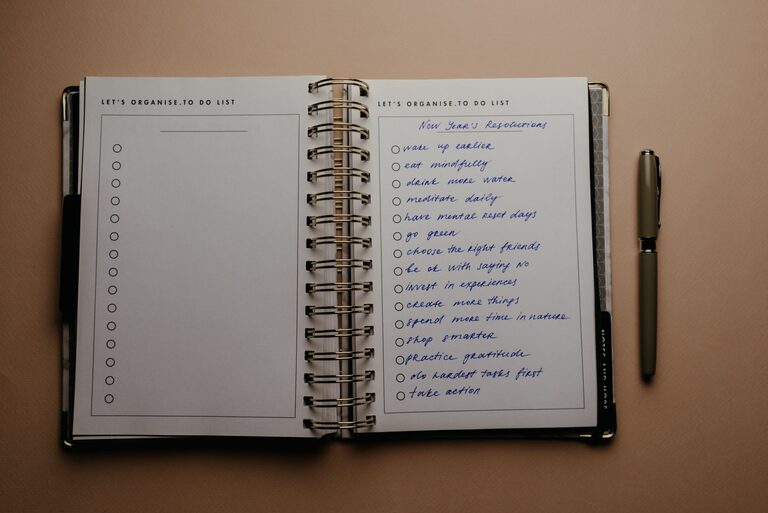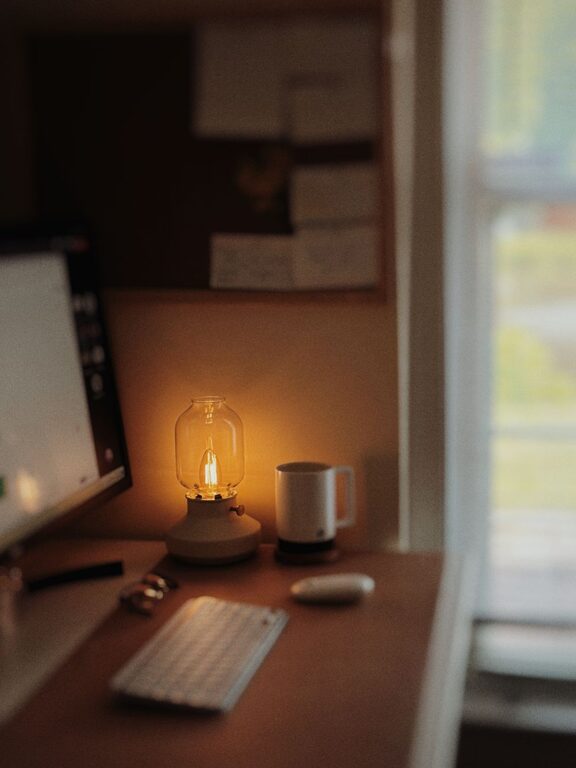

A calmer evening does not require a complete lifestyle change. Often, a few small adjustments can make the final hours of the day feel less rushed and more comfortable. The goal is not to create a perfect routine, but to build a gentle transition from daytime responsibilities to nighttime rest.
Small changes work well because they are easier to repeat. Rather than adding a long list of tasks, focus on simple choices that reduce decisions, clutter, noise, and unnecessary pressure.
Start by choosing an evening anchor
An evening anchor is one activity that signals the beginning of your wind-down time. It could be turning on a lamp, making a cup of tea, changing into comfortable clothes, or putting your phone on a charger.
The activity itself does not need to be special. What matters is using it consistently. Over time, the anchor can become a familiar reminder that the busy part of the day is ending.
Try choosing an anchor that is:
– Easy to complete
– Available most evenings
– Pleasant or neutral
– Connected to a clear time or event
For example, you might begin your evening routine after dinner or once you finish tidying the kitchen. A consistent starting point can make the rest of the routine feel more natural.
Reduce the number of evening decisions
Decision-making can make the evening feel longer and more tiring. Planning a few details earlier in the day can create more room for relaxation later.
Consider preparing:
– Tomorrow’s clothes
– A simple breakfast plan
– Items needed for work or school
– A short list of important tasks
– Any household items you will need in the morning
You do not need to plan every detail. Choose the decisions that regularly cause stress or delay. If mornings often feel rushed, placing keys, bags, and shoes in one location may be more helpful than creating a detailed schedule.
A small amount of preparation can help you finish the day with fewer loose ends.
Create a gentle transition after work
When work, errands, or household tasks end, it can be difficult to switch directly into relaxation. A short transition can help separate the two parts of the day.
You might:
– Take a brief walk
– Change clothes
– Wash your hands and face
– Play quiet music
– Sit in another room for a few minutes
– Write down unfinished tasks
This transition does not need to take long. Even five or ten minutes can provide a clear pause between responsibilities and personal time.
If your schedule is unpredictable, keep the transition flexible. The goal is not to follow a strict rule. It is to give yourself a moment to notice that the day is changing.
Make your space easier to settle into
Your surroundings can influence how your evening feels. A few small changes may make your home more comfortable without requiring a major cleaning session.
Try a quick evening reset:
- Clear one main surface.
- Put frequently used items back in place.
- Wash or stack the most noticeable dishes.
- Dim bright lights where possible.
- Set up one comfortable area for relaxing.
Keep this reset short. A five-minute tidy-up is often easier to maintain than a large cleaning project at the end of every day.
You can also prepare your favorite spot for the evening. Place a blanket nearby, keep a book within reach, or arrange a chair away from work materials. A space that feels ready can make it easier to slow down.
Set a simple boundary with screens
Screens can be useful in the evening, but constant notifications and switching between apps may make it harder to feel settled. Instead of trying to avoid screens completely, create a few clear boundaries.
For example, you could:
– Turn off nonessential notifications
– Keep your phone away from the dinner table
– Choose one time to check messages
– Use a charger outside your main relaxation area
– Replace one scrolling session with music or reading
Make the change realistic. If putting your phone in another room feels impractical, place it across the room instead of beside your seat. A little distance can reduce automatic checking.
It may also help to decide what you want to use screens for. Watching one program or calling a friend is different from moving between several apps without a clear stopping point.
Use a short list to clear your mind
Unfinished tasks often return to your thoughts when the day becomes quiet. Writing them down can help you create a clear stopping point.
Keep the list simple. Write:
– Tasks to handle tomorrow
– Questions to revisit
– Items you need to remember
– One priority for the next day
Avoid turning the list into a second work session. The purpose is to capture thoughts, not solve everything at night.
You can finish by writing one sentence such as, “This can wait until tomorrow.” This small reminder may make it easier to set the list aside.
Choose relaxing activities with a clear ending
Some evening activities can continue indefinitely, making it difficult to know when to stop. Choosing activities with a natural ending can create a smoother transition toward bedtime.
Examples include:
– Reading a chapter
– Taking a warm shower
– Preparing clothes for tomorrow
– Doing a short stretch
– Listening to a playlist
– Working on a simple hobby
– Completing a small puzzle
A clear endpoint helps prevent the evening from disappearing without feeling restful. If you enjoy television or online content, decide in advance how much you want to watch and use a timer if helpful.
The best activity is one that leaves you feeling comfortable rather than more alert or distracted.
Keep the routine flexible
A routine should support your life, not create another source of pressure. Some evenings will be busy, social, or unpredictable. Instead of abandoning the routine completely, use a shorter version.
Your full routine might include a tidy-up, planning, reading, and preparing for the morning. On a busy night, the simple version could be:
– Put away a few items
– Write down tomorrow’s priority
– Turn off unnecessary notifications
– Spend five quiet minutes away from tasks
This approach keeps the habit alive without demanding the same amount of time every night.
Add one pleasant detail
Calm does not have to mean serious or silent. A small enjoyable detail can make the evening feel more personal.
You might:
– Use a favorite mug
– Open a window for fresh air
– Light a candle safely
– Play soft background music
– Make a simple dessert
– Spend time with a pet
– Look through photos or a favorite book
Choose something that feels easy and genuinely enjoyable. The purpose is to create a positive signal that the day is winding down.
Build your routine one change at a time
Trying to change everything at once can make a routine difficult to maintain. Start with one adjustment and use it for several evenings before adding another.
For example, begin by preparing tomorrow’s essentials. Once that feels easy, add a five-minute tidy-up. Later, you might include a short screen boundary or a quiet activity.
Pay attention to what makes your evenings feel smoother. Keep the changes that help, adjust the ones that do not, and let go of habits that feel unnecessary.
A calmer evening routine is built from small, repeatable choices. By creating a clear transition, reducing decisions, preparing your space, and leaving room for flexibility, you can make the end of the day feel more peaceful without making it more complicated.
About the Author