A home workspace should help you feel comfortable, focused, and ready for the day. It does not need to be large or expensive. With a few thoughtful changes, you can turn a corner of a room, a spare table, or a small desk into a space that feels calm and inviting.
The goal is to create a workspace that supports your routine without feeling crowded or distracting. From choosing the right location to adding soft lighting and practical storage, each detail can make a difference.
Choose the Right Location
Start by deciding where your workspace will fit best. If you have a separate room, you have more flexibility. If not, look for an underused corner, a section of a bedroom, or a place near a window.
Consider these factors:
– Natural light
– Noise levels
– Available wall space
– Access to power outlets
– Distance from high-traffic areas
– Room for a chair and basic supplies
A quiet area can make it easier to concentrate, while a space near a window may feel brighter and more open. However, avoid placing your desk where glare from the sun makes it difficult to see your screen.
If you share your home with others, choose a location that offers some separation. A folding screen, open bookshelf, or curtain can help define the workspace without requiring major changes.
Select a Comfortable Desk and Chair
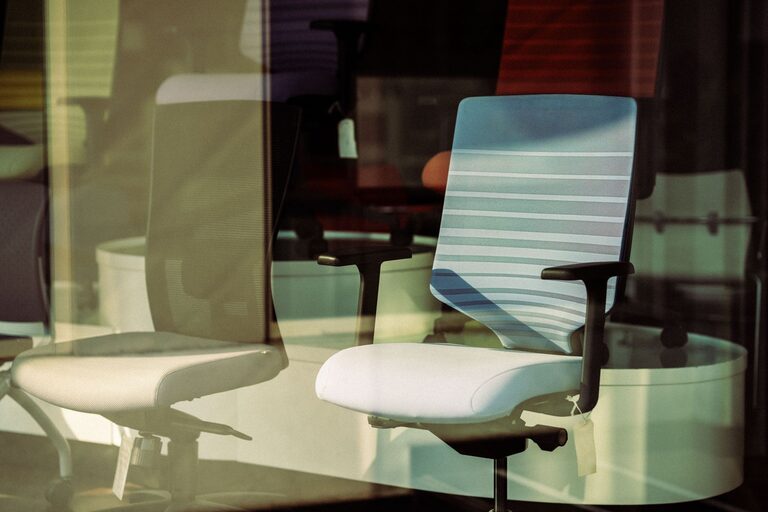
Comfort is one of the most important parts of a relaxing workspace. Your desk should provide enough room for your computer, notebook, and any other items you use regularly. Too little space can make the area feel cramped, while too much surface area may encourage clutter.
When choosing a chair, look for one that allows you to sit comfortably and keep your feet supported. Your shoulders should feel relaxed, and the screen should be positioned so you do not need to look sharply upward or downward.
You can improve comfort with simple adjustments:
– Place a cushion on a firm chair if needed.
– Use a footrest or sturdy box for additional support.
– Raise your monitor with a stand or a few solid books.
– Keep frequently used items within easy reach.
– Leave enough space to move your chair comfortably.
A well-fitted setup can make your workspace feel more welcoming and help you stay comfortable during regular tasks.
Use Soft and Practical Lighting
Good lighting can change the atmosphere of a room. Whenever possible, place your desk near a source of natural light. Open curtains or blinds during the day to make the space feel brighter and more connected to the outdoors.
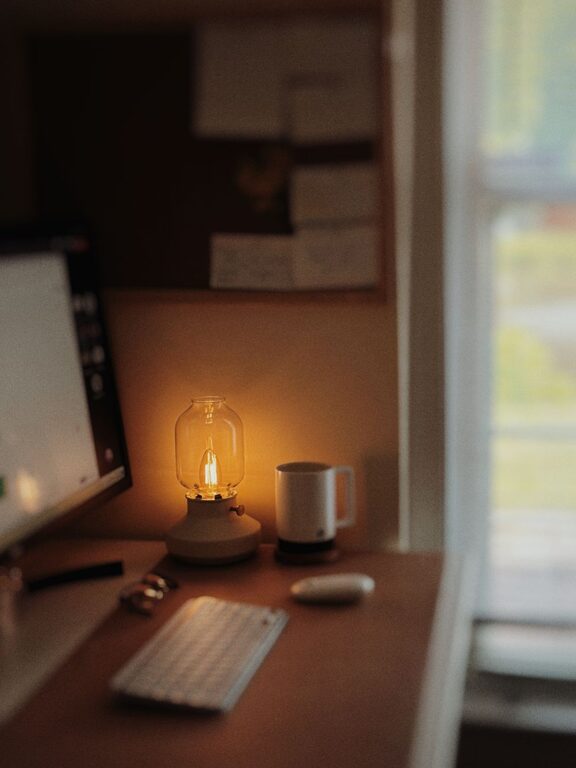
Add a desk lamp for cloudy days, evenings, or tasks that require extra focus. Choose a lamp with an adjustable shade so you can direct the light where you need it. A warm, gentle bulb can create a softer atmosphere, while a brighter bulb may be useful for reading or writing.
Try to use more than one light source. For example, combine:
– Natural window light
– A desk lamp
– An overhead light on a lower setting
– A small floor or table lamp
Layered lighting prevents the workspace from feeling harsh. It also allows you to change the mood of the room throughout the day.
Keep the Color Palette Calm
Color has a strong effect on how a room feels. You do not need to repaint the entire space to create a calmer environment. Start with a simple base and add a few colors that you enjoy.
Soft neutrals, muted greens, light blues, warm whites, and gentle earth tones can create a relaxed look. If you prefer brighter colors, use them in small doses through artwork, stationery, or a desk accessory.
Try to limit the number of competing colors and patterns. A consistent palette helps the workspace feel more organized. You can also repeat one or two colors in different parts of the room, such as a notebook, storage box, and small piece of art.
Reduce Visual Clutter
A relaxing workspace does not have to be perfectly minimal, but it should be easy to reset. When too many items are visible, the desk can feel busy before the day even begins.
Begin by removing anything you do not use regularly. Then group the remaining items by purpose. Keep daily supplies close by and store occasional items in a drawer, box, or cabinet.
Helpful organization ideas include:
– Use a small tray for pens and daily tools.
– Add a document holder for loose papers.
– Store cables in clips or a simple cable box.
– Use wall shelves for books and decorative objects.
– Keep a basket nearby for items that belong elsewhere.
– Leave part of the desk surface clear.
At the end of the day, take a few minutes to return items to their places. This small habit can make the next work session feel more peaceful.
Add Natural Elements
Natural touches can make a workspace feel warmer and less formal. A small plant, vase of flowers, wooden accessory, or stone paperweight may be enough to create a more pleasant setting.
If you choose a plant, consider the amount of light available and select one that fits your routine. Low-maintenance options may be a good choice for a busy schedule. You can also bring in nature through landscape artwork, natural fabrics, or a view of outdoor greenery.
Avoid filling every open surface with decorations. One or two carefully chosen pieces usually have more impact than a crowded collection.
Make the Space Personal
A relaxing workspace should reflect your personality. Add items that make the area feel familiar and encouraging, such as a favorite photograph, a small print, or a meaningful object.
Personal details can also make a temporary workspace feel more permanent. Try adding:
– A comfortable desk mat
– A favorite mug
– A simple calendar
– A small bulletin board
– A framed illustration
– A soft throw for cooler days
Choose items that make you feel at ease without creating unnecessary distractions. If you share a room, use a small display area so personal touches remain contained and easy to manage.
Control Noise and Distractions
Sound can affect the atmosphere of your workspace. If outside noise is unavoidable, consider using a rug, curtains, or fabric wall decoration to soften the room. Closing a door or creating a visual boundary can also help separate work time from household activity.
Keep distracting devices or unrelated items out of your immediate view when possible. You might place a phone on a nearby shelf, close unnecessary browser tabs, or use a box to store personal items during focused tasks.
A quiet background is not essential for everyone. Some people prefer gentle music or steady background sounds. If you use audio, choose something that supports your routine rather than pulling your attention away.
Create a Simple Reset Routine
A relaxing workspace is easier to maintain when you have a regular reset routine. At the end of the day, clear cups and dishes, organize papers, and return supplies to their storage spots.
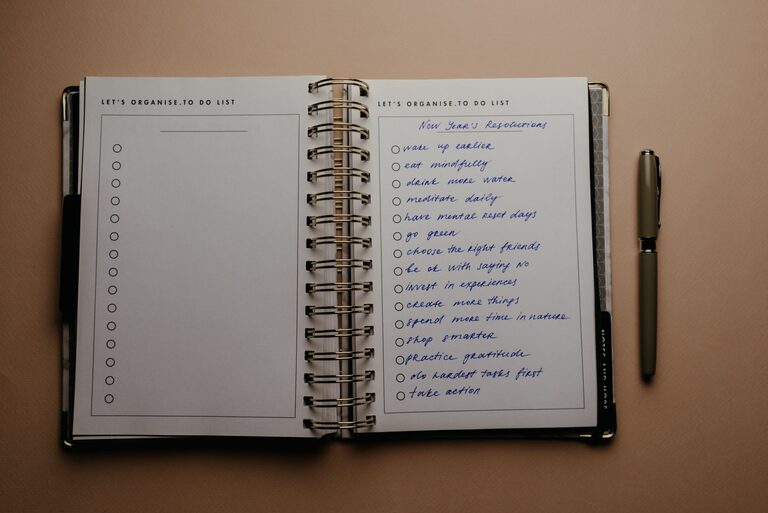
You can also prepare the space for the next morning by opening a notebook, placing a pen nearby, or setting out anything you will need. These small steps reduce friction and help the workspace feel ready.
Once a week, take a few extra minutes to dust the desk, check cables, and review the items you have collected. Remove anything that no longer serves a purpose.
Keep Improving Gradually
You do not need to complete your workspace in one weekend. Start with the changes that will have the greatest effect, such as improving the chair, clearing the desk, or adding better lighting. Then make small adjustments as you learn what works for you.
The best workspace is one that fits your habits, space, and budget. By combining comfort, organization, gentle lighting, and personal details, you can create a home workspace that feels calm, practical, and easy to enjoy each day.
About the Author