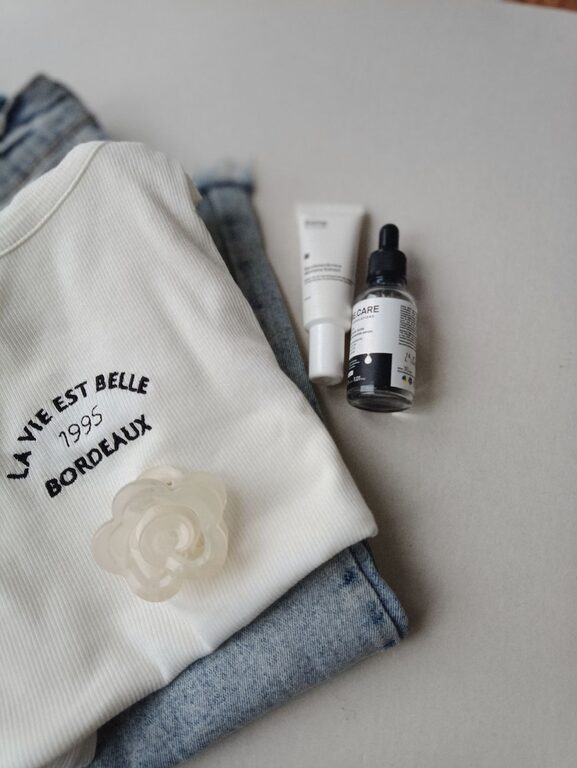
A capsule wardrobe is a small, thoughtfully chosen collection of clothing that works well together. Instead of filling your closet with items you rarely wear, you focus on versatile pieces that fit your lifestyle and can be styled in several ways.
Building a capsule wardrobe does not mean following strict fashion rules or owning a specific number of items. The goal is to make getting dressed easier, reduce clutter, and help you feel confident in the clothes you already have.
What Is a Capsule Wardrobe?
A capsule wardrobe usually includes a limited selection of tops, bottoms, layers, shoes, and accessories. Most pieces share a compatible color palette and can be combined into multiple outfits.
For example, a simple capsule wardrobe might include:
– Basic shirts and tops
– A few pairs of pants or jeans
– One or two skirts or dresses
– A sweater or cardigan
– A jacket or coat
– Comfortable everyday shoes
– A few practical accessories
The exact contents depend on your climate, work environment, hobbies, and personal preferences. A capsule wardrobe for someone who works from home will look different from one for someone who attends a formal workplace.
Start With Your Lifestyle
Before choosing clothes, consider how you spend your time. Your wardrobe should support your real life, not an imaginary version of it.
Think about:
– How often you work from home or in an office
– Whether your workplace has a dress code
– How frequently you attend formal events
– The kinds of activities you enjoy
– Your local weather and seasonal changes
– How often you do laundry
– Which clothes you reach for most often
Make a quick list of your typical weekly activities. If you spend most days in casual settings, prioritize comfortable and easy-to-wear pieces. If you need business clothing, include enough polished items for your regular schedule.
A useful rule is to build around your most common activities first. Occasional events can be handled with a few flexible pieces rather than taking up most of your closet.
Review the Clothes You Own
You do not need to buy a completely new wardrobe. Start by examining what you already have.
Take everything out of your closet and group items into categories such as tops, bottoms, layers, dresses, shoes, and accessories. Then review each piece with a few simple questions:
– Does it fit comfortably?
– Have I worn it in the past year?
– Is it in good condition?
– Does it suit my current lifestyle?
– Can I combine it with at least two or three other items?
– Do I feel comfortable and confident wearing it?
Create four groups:
- **Keep:** Items you wear often and enjoy.
- **Repair:** Items that need small fixes.
- **Store:** Seasonal pieces you are not using right now.
- **Donate or recycle:** Items that no longer work for you.
Try not to keep clothes only because they were expensive, once fit differently, or might be useful someday. If an item has not been worn for a long time and does not suit your current life, it may be taking up valuable space.
Choose a Simple Color Palette
A coordinated color palette makes a capsule wardrobe easier to use. Begin with two or three neutral colors, such as:
– Black
– White
– Gray
– Navy
– Brown
– Beige
– Denim
Then add one or two accent colors that you enjoy wearing. These could be soft green, burgundy, blue, yellow, or any other shades that complement your existing clothes.
Your palette does not need to be completely plain. Patterns and brighter colors can add personality. The key is to make sure new pieces work with several items you already own.
If you are unsure where to begin, look at the clothes you wear most often. The colors in those pieces can help you identify your natural preferences.
Build Around Essential Categories
A basic capsule wardrobe should include clothing for your most common needs. You can adjust the number of items depending on your schedule and laundry routine.
Tops
Choose a mix of everyday and slightly polished tops. Consider:
– Two or three neutral T-shirts
– One or two long-sleeved shirts
– A button-down shirt or blouse
– A sweater or knit top
– One top in an accent color or pattern
Select fabrics and cuts that feel comfortable and work with your bottoms.
Bottoms
Choose bottoms that can be dressed up or down. A practical starting point might include:
– One pair of well-fitting jeans
– One pair of casual pants
– One pair of more polished trousers
– A skirt or pair of shorts, if useful for your lifestyle
Fit is more important than following a trend. A simple item that feels good and works with several tops will usually earn more wear than a fashionable piece that is uncomfortable.
Layers
Layers add warmth and help create different outfits from the same basic pieces. Consider adding:
– A cardigan
– A casual jacket
– A structured blazer
– A lightweight overshirt
– A coat suitable for your climate
Choose layers in colors that work with most of your tops and bottoms.
Shoes
Shoes should match your daily activities and provide comfort. A basic collection could include:
– Everyday sneakers
– Comfortable flats or loafers
– Boots or weather-appropriate shoes
– Dressier shoes, if needed
You may not need every category. Choose only the types of shoes you will actually wear.
Use the Three Outfit Test
Before adding an item to your capsule wardrobe, make sure it can be worn in at least three different outfits. For example, a new shirt might work with jeans, trousers, and a skirt.
This test helps prevent impulse purchases that look good on their own but are difficult to style. It also encourages you to choose versatile colors, practical fabrics, and shapes that fit your existing wardrobe.
You can take this idea further by creating a small outfit list. Write down combinations that work well together, or take photos of outfits you enjoy. This makes busy mornings easier and helps you remember the full range of options in your closet.
Shop Slowly and Intentionally
Once you identify gaps, make a shopping list. Avoid buying several items at once just to complete the wardrobe quickly.
For each potential purchase, ask:
– Is this replacing something worn out?
– Does it fill a genuine gap?
– Will I wear it regularly?
– Does it work with at least three existing items?
– Is it comfortable and suitable for my lifestyle?
– Can I care for it easily?
Waiting a few days before buying can help you decide whether you truly need the item. Quality does not always mean the most expensive option. Look for durable construction, comfortable materials, and clothing you will realistically wear.
Organize Your Closet
A well-organized closet makes your capsule wardrobe easier to maintain. Arrange clothes in a way that matches how you use them. You might group items by category, color, or outfit type.
Keep your most frequently worn pieces easy to reach. Store seasonal clothing separately if your closet is small. Use matching or slim hangers if helpful, but focus on simple systems that are easy to maintain.
Avoid packing clothes too tightly. When you can see your options clearly, you are less likely to forget about useful pieces or buy duplicates.
Refresh Your Wardrobe Regularly
A capsule wardrobe should change as your needs change. Review it at the start of each season or every few months.
Check for:
– Clothing that needs repairs
– Items that no longer fit your routine
– Seasonal pieces that need to be stored
– Gaps created by wear and tear
– Items you consistently avoid wearing
You do not need to replace everything each season. Often, a small change, such as adding a lightweight layer or replacing worn shoes, is enough.
Keep Your Personal Style
The most successful capsule wardrobe reflects your personality. Include colors, patterns, textures, and silhouettes that make you feel comfortable and confident.
Minimal does not have to mean boring. You can express your style through accessories, interesting fabrics, statement jackets, or a favorite color. The purpose of a capsule wardrobe is not to remove personality from your closet. It is to make space for the clothing you genuinely enjoy wearing.
Start small, focus on versatility, and give yourself time to learn what works. With a little planning, a capsule wardrobe can simplify your routine while helping you make better use of the clothes you already own.
About the Author