
Household chores are a regular part of daily life, but they do not have to take over your schedule. When cleaning, laundry, dishes, and other tasks build up, the work can feel much larger than it really is. A few simple changes can make chores easier to start, easier to finish, and less stressful to maintain.
The goal is not to keep your home perfect at all times. Instead, focus on creating practical habits that help you stay on top of the most important tasks without using all of your time and energy.
Start With a Simple Plan
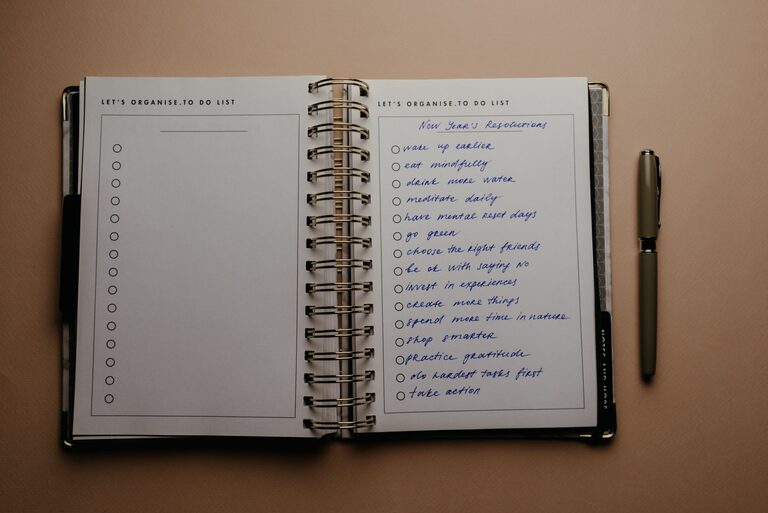
A clear plan can prevent chores from feeling like one large, unorganized job. Begin by writing down the tasks you usually need to complete during the week. Include both daily jobs, such as washing dishes, and less frequent tasks, such as cleaning the refrigerator.
Once you have a list, group tasks by how often they need to be done.
Daily tasks
– Wash or load dishes
– Wipe kitchen counters
– Put items back in their usual places
– Sort mail and other papers
– Do a quick floor check
Weekly tasks
– Vacuum or sweep floors
– Clean bathrooms
– Change bed linens
– Wash towels
– Take out recycling
Occasional tasks
– Clean windows
– Wipe inside cabinets
– Sort closets
– Dust ceiling fans
– Clean appliances
This approach helps you focus on what matters today instead of thinking about every chore at once.
Break Large Chores Into Smaller Steps
A task such as “clean the kitchen” can sound difficult because it includes several separate jobs. Breaking it down makes it easier to begin.
For example, a kitchen cleanup could include:
- Put away food and dishes.
- Load the dishwasher or wash dishes.
- Wipe counters and the table.
- Clean the sink.
- Sweep the floor.
You do not always need to complete every step in one session. If you have only a few minutes, choose one or two steps. Small efforts can make a noticeable difference, especially when they are repeated regularly.
The same idea works for other chores. Instead of “organize the bedroom,” try “clear the nightstand” or “sort one drawer.” Specific tasks are easier to understand and less likely to feel overwhelming.
Use Short Cleaning Sessions
Many people wait for a large block of free time before starting chores. In a busy schedule, that time may never appear. Short sessions can be just as useful.
Set a timer for 10, 15, or 20 minutes and work on one area. When the timer ends, you can stop or continue if you still have energy. The time limit creates a clear beginning and end, which can make the task feel more manageable.
Try matching chores to the time you have available:
– Five minutes: clear a counter or put away clutter
– Ten minutes: clean a bathroom sink and mirror
– Fifteen minutes: vacuum one room
– Twenty minutes: fold and put away a load of laundry
– Thirty minutes: tidy a main living area
A short session is still progress. Avoid dismissing small efforts simply because you could not finish everything.
Create Helpful Chore Routines
Routines reduce the need to decide what to do each time. For example, you might wipe kitchen surfaces after dinner, start laundry on a certain morning, or spend a few minutes resetting the living room before bed.
A useful routine should be simple enough to repeat. Start with one or two habits rather than trying to change everything at once.
You can also connect a chore to something you already do. For example:
– After breakfast, load the dishwasher.
– After taking a shower, wipe the bathroom sink.
– Before watching television, put away items in the main room.
– After folding laundry, place it directly in drawers or closets.
These connections make chores feel like a natural part of the day instead of separate events that require extra planning.
Keep Cleaning Supplies Convenient
You are more likely to complete a chore when the necessary supplies are nearby. Store basic items where they are most often used. For example, keep bathroom cleaning supplies in the bathroom and kitchen cloths near the sink.
A small basket or caddy can make it easier to carry supplies from room to room. Keep the setup simple and avoid collecting more products than you need.
Helpful basic supplies may include:
– Reusable cloths
– A small brush
– A broom or vacuum
– A dustpan
– A general-purpose cleaner
– Sponges
– Trash and recycling bags
Labeling storage areas can also help everyone in the household know where items belong. When supplies have a clear home, they are easier to find and put away.
Reduce Clutter Before Cleaning
Clutter can make cleaning take longer because you have to move items before you can wipe, sweep, or vacuum. A quick decluttering step can make the rest of the chore easier.
Keep a box or basket available for items that belong in another room. As you move through the house, place misplaced items in the basket. Return everything at once when you finish a room or complete your cleaning session.
You can also reduce the number of items that need regular care. Consider donating, recycling, or discarding things that are broken, unused, or no longer useful. Fewer items usually mean fewer things to dust, sort, and store.
Make Laundry More Manageable
Laundry often feels like one long process, but it is actually a series of smaller steps. Separating those steps can make them easier to fit into your day.
Try this simple system:
- Use separate baskets for different types of laundry if it helps.
- Start a load when you have time to move it later.
- Move clothes to the dryer or drying area promptly.
- Fold or hang items soon after they are dry.
- Put clothes away instead of leaving them in a basket.
If folding feels tedious, work on one category at a time. Fold towels first, then shirts, then other items. You can also sort clean clothes by person or room before putting them away.
Share Responsibilities Clearly
When more than one person lives in a home, chores are easier to manage when responsibilities are clear. A shared list can prevent one person from having to remember every task.
Assign chores based on age, ability, schedule, and preference when possible. Rotate less popular tasks so that the same person is not always responsible for them.
For children, use simple instructions such as:
– Put toys in the bin.
– Place dirty clothes in the hamper.
– Clear your plate.
– Wipe the table with a damp cloth.
Specific expectations are easier to follow than general requests to “help clean.”
Set Realistic Standards
A home does not need to look perfect to be comfortable and functional. Decide which areas and tasks matter most to you. You may care more about a clean kitchen and clear walkways than perfectly organized closets.
When time is limited, focus on the essentials:
– Remove trash
– Wash dishes
– Keep food preparation areas clean
– Clear paths and frequently used surfaces
– Handle urgent laundry needs
It is also helpful to accept that some days will be more productive than others. A flexible approach makes it easier to continue your routines instead of giving up after missing a day.
Make Chores More Enjoyable
Small changes can make repetitive work feel less unpleasant. Play music, listen to a podcast, or work alongside someone else. You can also turn chores into a shared activity by cleaning one room together and taking a break afterward.
Give yourself a clear reward when a task is complete, such as enjoying a favorite drink, reading, or spending time on a hobby. The reward does not need to be elaborate. A pleasant ending can make it easier to start the next time.
Focus on Consistency, Not Perfection
The most effective chore system is one you can maintain. Begin with a few small habits, adjust them to fit your schedule, and add new tasks gradually.
A clean and organized home is usually the result of regular small actions rather than occasional exhausting cleaning sessions. By using simple routines, breaking tasks into steps, sharing responsibilities, and keeping expectations realistic, you can make everyday chores feel more manageable.
About the Author