Mindful breathing breaks are simple pauses that bring your attention back to the present moment. Instead of rushing from one task to the next, you take a short break to notice your breathing and give your mind a chance to reset.
You do not need special equipment, a quiet room, or a lot of free time. A breathing break can last for one minute at your desk, in the car before you leave, or while waiting for an appointment. The goal is not to breathe perfectly. It is simply to notice your breath with gentle attention.
What Is a Mindful Breathing Break?
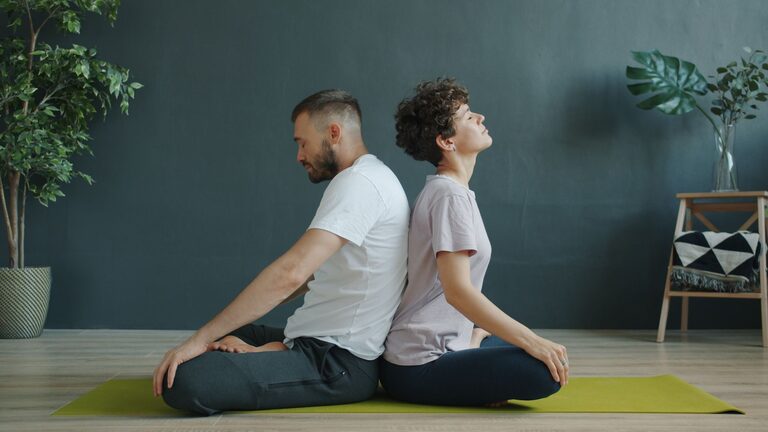
A mindful breathing break is a brief period when you focus on the natural rhythm of your breathing. You may notice the air moving in and out, the rise and fall of your chest, or the movement of your stomach.
When your attention wanders, you calmly bring it back to the breath. This is a normal part of the practice. Mindfulness is not about clearing your mind completely. It is about noticing where your attention has gone and returning to the present without judgment.
A breathing break may be useful:
– Before starting a new task
– Between meetings or classes
– During a busy afternoon
– Before eating a meal
– After checking your phone or email
– At the end of the workday
– Before getting ready for bed
Start With One Minute
Beginners often make the mistake of setting aside too much time. A short practice is easier to begin and repeat.
Try this one-minute breathing break:
- Sit or stand in a comfortable position.
- Let your shoulders rest naturally.
- Notice the feeling of your feet on the floor.
- Pay attention to one or two natural breaths.
- Continue noticing each inhale and exhale for about one minute.
- When the minute ends, gently return to what you were doing.
There is no need to control the breath or take unusually deep breaths. Allow your breathing to remain comfortable and natural. If counting helps you stay focused, count each exhale from one to five, then start again.
Choose a Comfortable Setting
A calm setting can make it easier to focus, but you do not need complete silence. Many people practice at a desk, on a park bench, or in a quiet corner of their home.
Consider these simple adjustments:
– Put your phone on silent for a short time.
– Sit with your back supported if that feels comfortable.
– Loosen clothing that feels restrictive.
– Lower the volume of nearby devices.
– Keep your eyes open or closed, whichever feels more natural.
– Use a timer so you do not need to check the clock.
If you are in a public place, you can practice without making it obvious. Simply relax your hands, soften your gaze, and notice a few breaths.
Use a Simple Point of Focus
Your breath can be easier to notice when you choose one specific area of attention. For example, focus on:
– The air moving through your nose
– The rise and fall of your chest
– The movement of your abdomen
– The feeling of each exhale
– The changing length of your breaths
Pick one option and stay with it for a few breaths. You may notice that the breath changes from moment to moment. That is fine. Your job is to observe rather than judge.
If you lose track, begin again with the next breath. Each return is part of the practice, not a sign that you are doing it incorrectly.
Try a Gentle Breathing Pattern
Once you are comfortable noticing your natural breath, you can try a simple pattern. One option is to inhale gently for a count of three and exhale for a count of four. Repeat this for several rounds, keeping the pace easy.
The longer exhale may give the practice a steady rhythm, but comfort comes first. Avoid forcing the breath, holding it for long periods, or trying to breathe deeply if that feels uncomfortable.
You can also use a phrase to guide your attention:
– Inhale: “Here”
– Exhale: “Now”
Or:
– Inhale: “Breathing in”
– Exhale: “Breathing out”
A quiet phrase can give your mind something simple to return to when distractions appear.
Connect Breathing Breaks to Daily Routines
A regular cue can make a new habit easier to remember. Instead of relying on motivation, connect your breathing break to something you already do.
For example, practice:
– After brushing your teeth
– Before opening your inbox
– When you sit down at your desk
– After finishing a meeting
– Before starting your commute
– While waiting for a page to load
– When you notice yourself switching between tasks
You can use a calendar reminder, a note on your desk, or a small mark on a habit tracker. Keep the reminder friendly and simple. The purpose is to prompt you, not pressure you.
Notice Common Distractions
Your mind may wander to plans, memories, messages, or unfinished tasks. You may also become aware of sounds, physical sensations, or changes in your mood.
When this happens, try these steps:
- Notice the distraction.
- Name it softly, such as “planning” or “thinking.”
- Let it be there without trying to solve it immediately.
- Return your attention to the next breath.
You do not need to eliminate distractions before the practice can be useful. Every time you notice and return, you are practicing attention.
Keep Your Practice Flexible
Some days, a one-minute break may feel right. On other days, you may prefer five minutes or several short pauses. Allow your routine to change with your schedule.
You can practice while:
– Sitting
– Standing
– Walking slowly
– Stretching gently
– Waiting in line
During a walking break, notice the connection between your steps and your breathing without trying to synchronize them perfectly. During a standing break, feel your feet on the ground and observe a few natural breaths.
Flexibility helps you maintain the habit during busy or unusual days.
What to Do If Breathing Feels Uncomfortable
Mindful breathing should feel manageable. If focusing on your breath makes you uncomfortable, stop the exercise and return your attention to your surroundings. You might notice the colors in the room, the feeling of your feet on the floor, or the sounds nearby.
You can also keep your eyes open and focus on an external object while allowing your breathing to happen naturally. Choose the approach that feels steady and comfortable for you.
The practice is optional. You never need to force yourself to continue.
Build a Sustainable Routine
Consistency is usually more helpful than length. A one-minute practice repeated most days can be easier to maintain than a long session that feels difficult to schedule.
To build a sustainable routine:
– Start with one daily break.
– Keep the practice short at first.
– Attach it to an existing activity.
– Use the same location when convenient.
– Celebrate returning to the practice after a missed day.
– Increase the time only when it feels natural.
A mindful breathing break is not another task you must complete perfectly. It is a small opportunity to pause, notice the present, and choose your next action with a little more awareness.
With regular practice, these brief pauses can become a practical part of your daily rhythm. Begin with one comfortable breath, then another, and let the habit grow at its own pace.
About the Author