Mornings do not have to feel rushed or chaotic. A few simple changes can make it easier to get ready, find what you need, and begin the day with less stress. The goal is not to create a perfect routine. Instead, focus on small habits that fit your schedule and make busy mornings more manageable.
Start the Night Before
One of the easiest ways to improve your morning is to move a few decisions to the evening. Preparing ahead can help you avoid searching for items, choosing an outfit, or figuring out breakfast while you are still waking up.
Try these simple tasks before bed:
– Choose your clothes and place them in one spot.
– Pack bags, lunches, or work items.
– Put keys, glasses, and other essentials near the door.
– Check the next day’s schedule.
– Set out anything you need for breakfast.
– Tidy one small area, such as the kitchen counter.
You do not need to prepare every detail. Even five minutes of planning can make the next morning feel more organized.
Create a Simple Morning Checklist
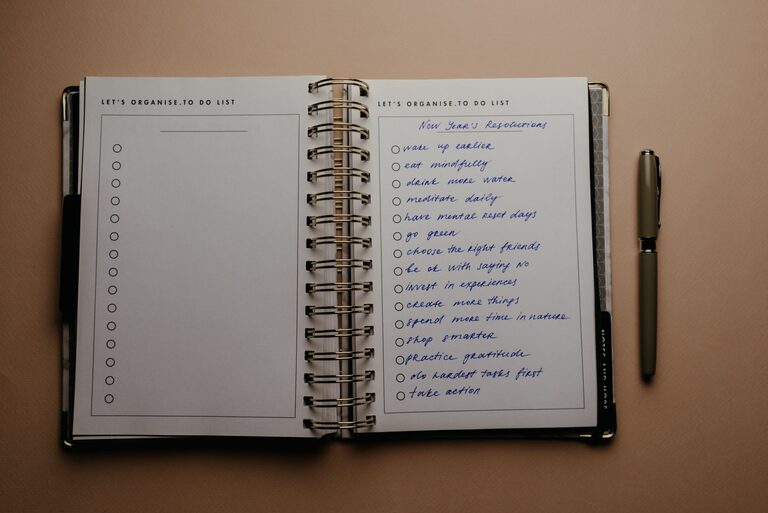
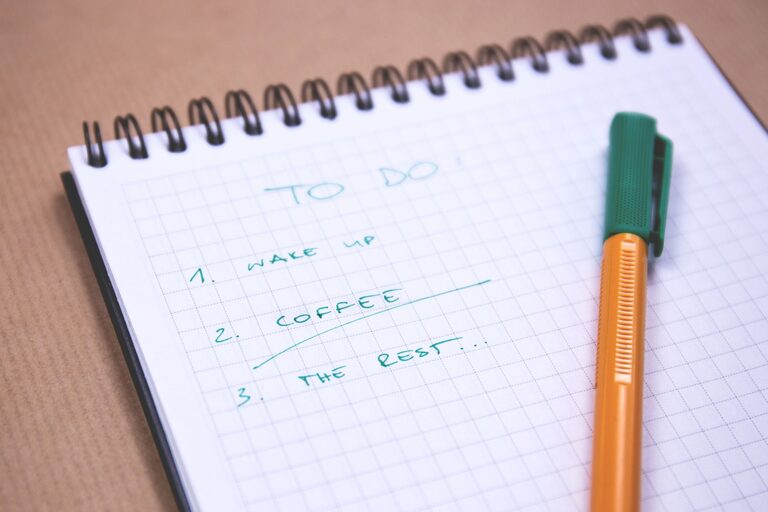
A short checklist can keep you moving without requiring you to remember every step. Write down the tasks you usually need to complete, then arrange them in a practical order.
A basic checklist might include:
- Get dressed.
- Open the curtains or turn on a light.
- Drink water.
- Eat breakfast.
- Gather bags and personal items.
- Check the time and leave.
Keep the list somewhere visible, such as on the refrigerator, bathroom mirror, or a note on your phone. Once the routine becomes familiar, you may not need the checklist every day.
Give Yourself a Time Cushion
Running late often happens because there is no room for small delays. A misplaced item, a longer shower, or a slow start can quickly affect the rest of the morning.
If possible, give yourself an extra 10 to 15 minutes. This does not mean you need to fill that time with more tasks. The cushion can simply make the routine feel less hurried.
To find a useful cushion, track how long your usual morning tasks take for a few days. You may discover that certain steps consistently take longer than expected. Adjust your schedule based on real timing instead of guesswork.
Keep Frequently Used Items Together
Searching for everyday items can make a short morning feel much longer. Create a designated spot for the things you use most often, such as keys, wallets, bags, headphones, and sunglasses.
A small basket, tray, or shelf near the door can work well. The important part is to return each item to the same place after using it.
You can also create separate storage areas for different categories:
– A hook for coats and bags
– A tray for keys and small items
– A shelf for shoes
– A basket for items that need to leave the house
This simple system reduces clutter and makes it easier to leave on time.
Make Breakfast Easier
Breakfast does not need to be complicated to be useful. Choose a few easy options that require little preparation in the morning.
Ideas include:
– Yogurt with fruit
– Oatmeal with nuts or seeds
– Whole-grain toast with a simple topping
– A prepared smoothie
– Hard-boiled eggs and fruit
– Cereal with milk
– A breakfast sandwich prepared ahead of time
Keep the ingredients for your favorite options in easy-to-reach places. If you often skip breakfast because you are short on time, prepare one or two portions the night before.
You can also create a rotating list of breakfast choices. For example, choose one option for each day of the workweek. A little variety can keep the routine interesting without requiring daily decision-making.
Limit Morning Decisions
Too many choices can slow you down. Simplify the parts of the morning that do not need much thought.
For example, you might:
– Wear a small collection of reliable outfits.
– Keep a short list of go-to breakfasts.
– Use the same place for personal care items.
– Follow the same order for getting ready.
– Prepare drinks or snacks ahead of time.
This does not mean every morning has to be identical. It simply creates a dependable structure, especially on busy days.
Be Careful With Your Phone
Checking your phone as soon as you wake up can make the morning feel less focused. Messages, news, and social media can quickly take up more time than expected.
Try delaying phone use until after you complete your first few tasks. You could get dressed, eat breakfast, or review your schedule before checking notifications.
If you use your phone as an alarm, place it far enough away that you need to stand up to turn it off. Consider turning off unnecessary notifications or using a quiet morning setting.
Use Light and Movement to Wake Up
A dark, quiet room can make it harder to feel alert. Open the curtains, turn on a light, or step outside briefly if the weather allows. Natural light can help create a clearer transition from sleep to the start of the day.
Gentle movement can also help you get going. Try a few stretches, walk around while preparing breakfast, or take a short walk if it fits your schedule. The goal is not an intense workout. A little movement can make the morning feel more active and purposeful.
Build in a Calm Moment
A smoother morning is not only about completing tasks quickly. It is also about creating a little space before the day becomes busy.
Use a few minutes to:
– Sit quietly with a drink.
– Listen to music.
– Read a few pages.
– Write down your top priorities.
– Look over your calendar.
– Spend time with family or pets.
Choose one activity that helps you feel settled. Even a short pause can make the rest of the morning feel more balanced.
Prepare for Common Problems
Some mornings will not go according to plan. A backup plan can help you handle small problems without starting over.
Keep a few emergency items ready, such as:
– A spare outfit
– A quick breakfast option
– Extra school or work supplies
– A portable phone charger
– A small bag for items that need to be returned or delivered
It can also help to identify tasks that can be skipped when time is limited. For example, you might save a full kitchen cleanup or detailed planning for later in the day.
Improve One Habit at a Time
Trying to change your entire morning at once can be difficult. Start with one adjustment that seems easy to maintain. You might prepare your clothes, move your alarm, or create a spot for your keys.
After a week, notice whether the change helped. If it did, keep it and add another small habit when you are ready. If it did not, adjust the idea rather than giving up on the whole routine.
The best morning routine is one that works with your real schedule, responsibilities, and energy level. Small preparations, fewer decisions, and a little extra time can make each day begin more smoothly.
About the Author