When the week gets busy, deciding what to eat can feel like one more task on a long list. A little meal prep can make mornings smoother, shorten dinner time, and help you use the groceries you already have.
Meal prep does not have to mean spending an entire Sunday cooking. With a few simple routines, you can prepare ingredients, assemble quick meals, and keep your options flexible throughout the week.
Start With a Simple Plan
Before cooking, spend 10 to 15 minutes planning your meals. Choose a few breakfasts, lunches, dinners, and snacks that share some ingredients. This keeps your shopping list shorter and makes preparation easier.
A simple weekly plan might include:
– Two make ahead breakfasts
– Two lunch options
– Three easy dinners
– One or two snacks
– Leftovers for one or two meals
Try not to plan every meal in exact detail. Leaving room for leftovers, takeout, or a change of plans makes meal prep more realistic.
Build Meals With Basic Components
Instead of preparing complete meals, cook a few versatile components. These can be mixed and matched in different ways during the week.
Useful components include:
– Cooked grains such as rice, quinoa, or couscous
– Roasted or steamed vegetables
– Cooked chicken, beans, eggs, or tofu
– Washed salad greens
– A simple sauce or dressing
– Cut fruit and ready to eat snacks
For example, cooked rice can become a grain bowl, a side dish, or a quick fried rice meal. Roasted vegetables can be added to wraps, salads, pasta, or omelets.
Make Ahead Breakfast Ideas
Breakfast is often easier when at least one option is ready to grab. Choose recipes that can be prepared in batches and stored in individual portions.
Overnight Oats
Combine rolled oats, milk or a milk alternative, yogurt, and your favorite toppings in jars or containers. Add fruit, cinnamon, nuts, or seeds before serving.
Prepare three or four jars at once and store them in the refrigerator. You can change the flavors throughout the week by using different fruits or spices.
Egg Muffins
Whisk eggs with chopped vegetables, cheese, and cooked meat if desired. Pour the mixture into a greased muffin pan and bake until set. Once cooled, store the egg muffins in containers for quick breakfasts.
They can be enjoyed on their own or served with toast and fruit.
Breakfast Wraps
Fill tortillas with scrambled eggs, beans, cheese, and cooked vegetables. Wrap each portion in parchment or foil and refrigerate or freeze as needed. Reheat before serving for a warm breakfast with very little effort.
Easy Lunches to Prepare in Advance
Lunches are often the easiest meals to prep because many ingredients taste good cold or at room temperature.
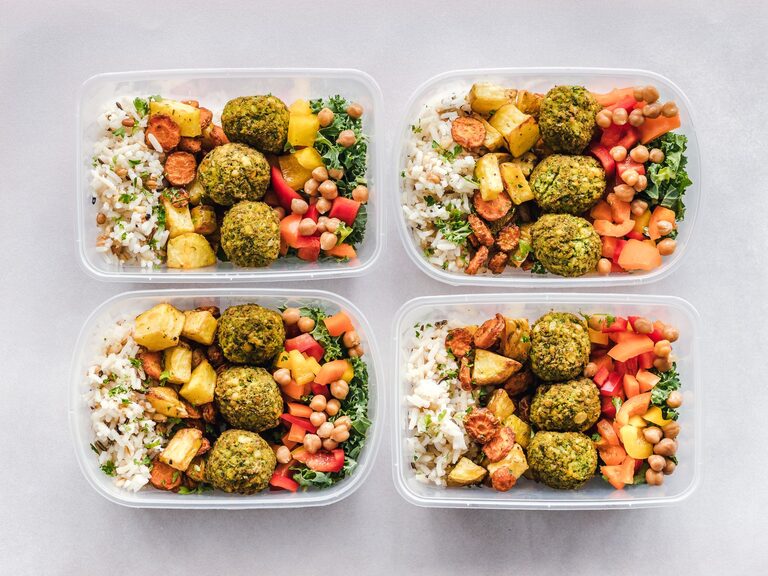
Grain Bowls
Start with a cooked grain, then add vegetables, protein, and a flavorful topping. Try combinations such as:
– Rice, black beans, corn, tomatoes, and salsa
– Quinoa, roasted vegetables, chickpeas, and lemon dressing
– Couscous, cucumber, grilled chicken, and yogurt sauce
Keep sauces in separate containers until you are ready to eat. This helps prevent the other ingredients from becoming soggy.
Mason Jar Salads
Layer salad ingredients in a jar, putting the dressing at the bottom and leafy greens at the top. Place sturdy ingredients, such as beans, carrots, and cucumbers, between the dressing and greens.
When it is time to eat, shake the jar and pour the salad into a bowl. Prepare several jars at once for convenient lunches.
Pasta Salad
Cook pasta and toss it with vegetables, beans, cheese, herbs, and a simple dressing. Pasta salad can be served cold and is easy to portion into lunch containers.
For variety, change the dressing or add different ingredients each week. A lemon dressing, pesto, or a simple vinaigrette can create a different flavor without changing the entire recipe.
Quick Dinner Prep
Dinner does not need to be fully cooked ahead of time. Preparing the ingredients can be enough to save valuable time.
Sheet Pan Meals
Chop vegetables and prepare a protein in advance. Store them separately or together, depending on the recipe. When you are ready to cook, spread everything on a sheet pan, add seasoning, and bake.
Good combinations include:
– Chicken, potatoes, and green beans
– Sausage, peppers, onions, and zucchini
– Tofu, broccoli, carrots, and a soy based sauce
Sheet pan meals require little cleanup and can provide leftovers for lunch.
One Pot Meals
Soups, stews, chili, and pasta dishes are useful for busy weeks because they make several servings in one pot. Prepare a large batch and divide it into meal sized containers.
To keep the week interesting, serve the same dish in different ways. Chili can be served with rice, spooned over baked potatoes, or used as a filling for wraps.
Stir Fry Kits
Slice vegetables and prepare a sauce ahead of time. You can also cook rice or noodles in advance. When dinner time arrives, quickly cook the ingredients in a skillet or wok.
Keep the vegetables slightly firm during the first cooking step so they retain a pleasant texture when reheated.
Prepare Snacks at the Same Time
Snacks are easy to overlook, but having simple choices ready can reduce last minute decisions. Portion snacks into small containers or bags so they are easy to grab.
Ideas include:
– Fresh fruit
– Cut vegetables with hummus
– Yogurt with granola
– Popcorn
– Nuts and dried fruit
– Cheese and whole grain crackers
– Homemade energy bites
Place ready to eat snacks near the front of the refrigerator or pantry. Visible food is more likely to be used during a busy day.
Use Smart Storage
Good storage helps prepared food stay organized and enjoyable. Allow cooked food to cool before sealing containers, then refrigerate it promptly. Use clear containers so you can see what is available.
Label containers with the meal name and preparation date. Store foods in portions that match how you plan to eat them. If you will not use something within a few days, freeze it in a suitable container and add a label.
Keep sauces, crunchy toppings, and delicate greens separate when possible. This makes reheated and assembled meals taste fresher.
Keep Meal Prep Flexible
The best meal prep routine is one you can repeat. Start with just one or two prepared meals instead of trying to cook an entire week of food at once.
You can also create a short prep checklist:
- Review the week ahead.
- Choose a few meals.
- Write a focused shopping list.
- Wash and chop produce.
- Cook one grain and one protein.
- Prepare a sauce or dressing.
- Portion meals and snacks.
- Store everything clearly.
As you learn what works, adjust your routine. Some weeks may call for batch cooking, while others may only require washing produce and preparing breakfast. The goal is not perfection. It is to make busy days easier with a few helpful choices already made.
About the Author