
Working from home offers flexibility, but it can also make it harder to stay focused. Household tasks, phone notifications, family activity, and an unclear work schedule can quickly interrupt your attention. The good news is that better focus usually comes from a few practical habits rather than a complete change in your routine.
By creating a dedicated work environment, planning your day, and managing interruptions, you can make focused work easier and more consistent.
Create a Workspace That Supports Focus
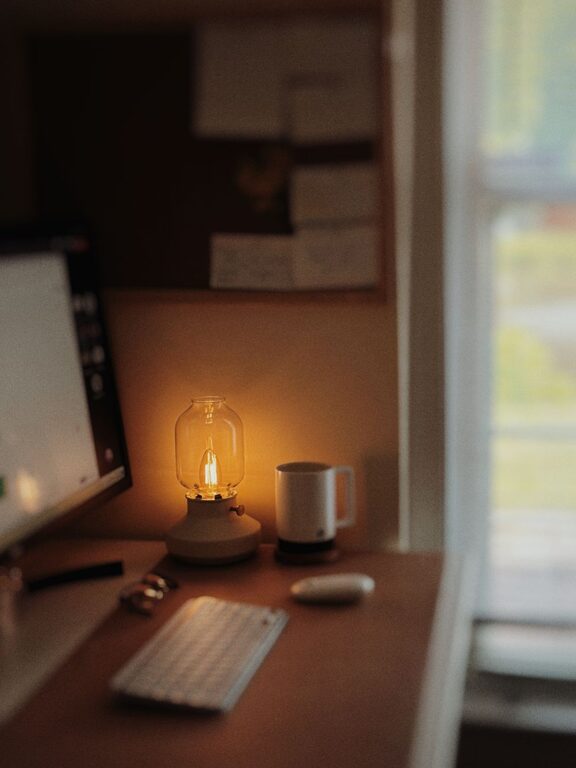
Your work environment has a direct effect on how easily you concentrate. A dedicated office is helpful, but it is not essential. Even a small, clearly defined area can become a signal that it is time to work.
Choose a Consistent Work Area
Try to work in the same place each day. This helps separate work time from personal time and makes it easier to begin your routine. If you do not have a separate room, use one end of a dining table, a corner of a bedroom, or another area that can be set up and cleared away.
Keep the space limited to items you need for work. Unnecessary objects can create visual distractions and make the area feel cluttered.
Keep Essential Items Nearby
Before starting, gather the items you are likely to need, such as:
– A notebook and pen
– Headphones
– A charger
– Water
– Any documents needed for the day
Having these items close by reduces the need to get up repeatedly. It also helps you begin work without spending time searching for basic supplies.
Reduce Visual and Digital Clutter
A tidy workspace can make it easier to direct your attention. At the end of each workday, take a few minutes to clear away cups, papers, and unrelated items.
Digital clutter matters, too. Close unused browser tabs, organize important files, and remove distracting apps from your desktop. A simple screen can make it easier to focus on the task in front of you.
Plan Your Day Before You Begin
Starting the day without a plan can lead to constant task switching. A short planning session helps you decide what deserves your attention first.
Select Your Most Important Tasks
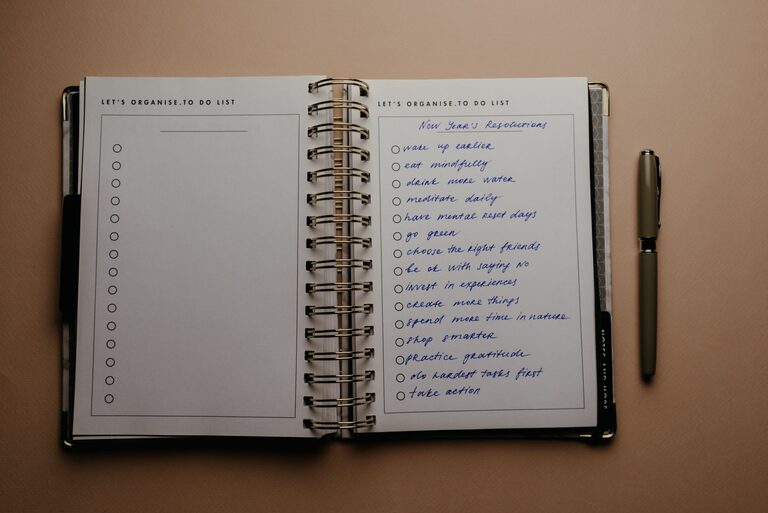
At the beginning or end of each day, write down two or three important tasks. These should be specific and achievable. For example, “finish the first draft of the report” is clearer than “work on the report.”
Prioritize tasks based on importance, deadlines, and the amount of concentration they require. If possible, schedule demanding work during the time of day when you usually feel most alert.
Break Large Tasks Into Smaller Steps
Large projects can feel difficult to start because the end goal seems far away. Divide them into smaller actions that can be completed one at a time.
For example, instead of listing “prepare presentation,” use steps such as:
- Review the main points.
- Create an outline.
- Draft the opening slides.
- Add supporting information.
- Check the final layout.
Smaller steps provide a clear starting point and make progress easier to see.
Use Time Blocks
Time blocking means assigning specific periods to particular tasks. You might reserve the first hour for focused writing, the next hour for meetings, and the afternoon for email and routine work.
Your schedule does not need to be rigid. Leave room for unexpected requests and short breaks. The goal is to give your attention a clear direction, not to fill every minute.
Manage Digital Distractions
Digital tools are useful, but they can also interrupt your focus many times throughout the day.
Limit Notifications
Turn off nonessential notifications on your computer and phone while working on important tasks. Keep alerts for messages that truly require an immediate response, and review other notifications at planned times.
If you need to remain available, consider using a status message or calendar indicator to show when you are concentrating and when you will be available again.
Check Email and Messages on a Schedule
Constantly checking email can fragment your workday. Instead, choose a few times to review and respond to messages. For example, you might check them midmorning, after lunch, and near the end of the day.
When you open your inbox, handle messages in a simple way: respond if the answer is quick, schedule time for a longer reply, or move the message to an appropriate folder. This keeps email from taking over your entire schedule.
Use Website and App Limits
If certain websites or apps regularly distract you, use built-in screen time settings or website-blocking tools during focus periods. You can also place your phone in another room or keep it inside a drawer.
Small barriers can make distracting habits less automatic.
Work in Focused Sessions
Long periods without a break can make it harder to maintain attention. Working in shorter sessions may help you stay engaged.
Try a Simple Focus Cycle
Choose a period of focused work, such as 25, 45, or 60 minutes. During that time, work on one task and avoid unrelated activities. Then take a short break before beginning the next session.
Experiment with different time periods to find what works for you. More demanding tasks may require longer sessions, while routine work may fit well into shorter blocks.
Take Useful Breaks
A break should give your mind a chance to reset. Stand up, stretch, refill your water, or look away from the screen. Avoid replacing work with another activity that keeps you mentally busy, such as checking a long list of messages.
Even a few minutes away from your desk can help you return with a clearer mind.
Set Clear Boundaries at Home
People who share your home may not always know when you are available. Clear, friendly communication can reduce interruptions.
Let household members know your working hours and explain when you should not be disturbed. A closed door, sign, or headphones can serve as a simple visual signal. If interruptions are unavoidable, plan lighter tasks for those periods and reserve demanding work for quieter times.
It can also help to set boundaries with yourself. Avoid doing household chores during every short break, as this can make it difficult to return to work. Schedule personal tasks for before or after your workday when possible.
Build a Reliable Start and End Routine
A consistent routine can make the workday feel more structured.
Before starting, complete a few repeatable actions such as making coffee, reviewing your task list, and preparing your workspace. These steps create a clear transition into work mode.
At the end of the day, review what you completed, note any unfinished tasks, and choose a starting point for tomorrow. Then shut down your computer and put away work materials if possible. This helps create a stronger separation between professional and personal time.
Review What Works
Focus habits are not equally effective for everyone. At the end of each week, consider a few simple questions:
– When did I do my best focused work?
– Which interruptions caused the most problems?
– Did my schedule include enough breaks?
– Which tasks took longer than expected?
– What one change could improve next week?
Use your answers to make small adjustments. You might move meetings, change your focus session length, or reorganize your workspace. Gradual improvements are often easier to maintain than a complete routine overhaul.
Better focus while working from home comes from making attention easier to protect. A consistent workspace, a realistic daily plan, fewer notifications, and clear boundaries can create a more productive rhythm. Start with one or two changes, practice them regularly, and build from there.
About the Author