Planning meals from pantry staples is a practical way to make cooking easier, reduce food waste, and avoid last-minute trips to the store. A well-stocked pantry can provide the foundation for many meals, even when fresh ingredients are limited.
The key is not to plan an entirely different recipe for every day. Instead, choose a few basic ingredients, combine them in flexible ways, and add fresh items when available. With a simple system, staples such as rice, pasta, beans, canned tomatoes, oats, and spices can become a variety of satisfying meals.
Start With a Pantry Inventory
Before planning your meals, take a quick look at what you already have. Group items by type so they are easier to find.
Common pantry categories include:
– Grains such as rice, pasta, oats, quinoa, and couscous
– Canned foods such as beans, tomatoes, corn, tuna, and vegetables
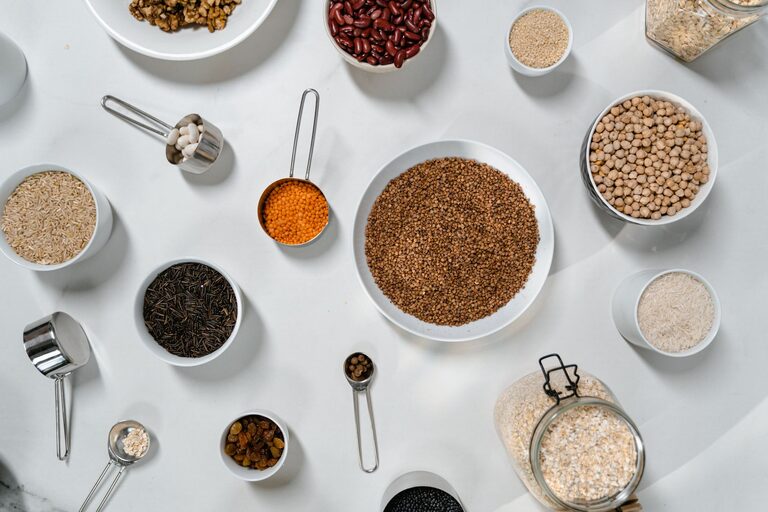
– Dried foods such as lentils, split peas, and dried fruit
– Cooking basics such as flour, breadcrumbs, oil, vinegar, and broth
– Flavor ingredients such as spices, herbs, sauces, and seasoning blends
– Snacks and breakfast foods such as cereal, nut butter, and crackers
Check expiration dates and place older items near the front. This simple step helps you use what you have before buying more.
You can write your inventory on paper, keep a note on your phone, or use a spreadsheet. There is no need to track every item perfectly. A general list is enough to guide your meal plan.
Build Meals Around a Few Main Staples
A useful meal plan starts with a small number of staple ingredients. Choose two or three items that can be used in several ways.
For example, rice can become:
– A bowl with beans and vegetables
– Fried rice with eggs and seasonings
– A side dish for a stew or curry
– Rice pudding with milk, cinnamon, and fruit
Beans can be used in:
– Soups and stews
– Tacos or wraps
– Grain bowls
– Salads
– Mashed spreads or dips
Pasta is also flexible. It can be served with tomato sauce, canned fish, beans, vegetables, or a simple mixture of oil, garlic, and herbs.
When choosing staples, think about how many meals each item can support. This approach gives you variety without requiring a long shopping list.
Use a Simple Meal Formula
A meal formula helps you plan without starting from scratch. One easy structure is:
Base + protein + vegetables + flavor
The base might be rice, pasta, potatoes, bread, oats, or tortillas. The protein could be beans, lentils, eggs, canned fish, nuts, seeds, or a shelf-stable meat product. Vegetables can be fresh, frozen, or canned.
Flavor comes from ingredients such as:
– Garlic and onion
– Dried herbs and spices
– Soy sauce or hot sauce
– Vinegar or lemon juice
– Canned tomatoes
– Broth
– Peanut butter or tahini
– Cheese or plain yogurt
For example, combine rice, canned beans, frozen vegetables, and salsa for a quick bowl. Or mix pasta with canned tomatoes, lentils, Italian herbs, and grated cheese.
This formula keeps meals balanced and makes it easier to substitute ingredients.
Plan by Meal Type
Rather than assigning a specific recipe to every day, plan a few meal types for the week. This gives you structure while leaving room to adjust based on your schedule.
Breakfast Ideas
Pantry-based breakfasts can be quick and filling. Try:
– Oatmeal with nut butter, cinnamon, and dried fruit
– Toast with beans, eggs, or peanut butter
– Cereal with milk and fruit
– Pancakes made with flour, oats, and basic baking ingredients
– Rice warmed with milk, cinnamon, and a little sweetener
If you prepare a large batch of oats, cooked grains, or hard-boiled eggs, you can save time on busy mornings.
Lunch Ideas
Lunches are often easiest when based on leftovers. Cook extra rice, pasta, beans, or roasted vegetables and use them the next day.
Other options include:
– Bean and rice bowls
– Pasta salad with canned vegetables
– Lentil soup
– Tuna or chickpea sandwiches
– Crackers with a bean spread and sliced vegetables
– Leftover grains topped with an egg and sauce
Keep sauces and toppings separate when possible. This helps leftovers stay fresh and gives you more ways to reuse them.
Dinner Ideas
For dinner, choose meals that share ingredients. For example, a pot of tomato and bean sauce can be served over pasta one night and used as a filling for wraps or baked potatoes the next.
Other pantry-friendly dinners include:
– Lentil and vegetable soup
– One-pot pasta with tomatoes and beans
– Chickpea curry with rice
– Tuna pasta with peas
– Stuffed baked potatoes
– Vegetable and egg fried rice
– Bean chili with cornbread or tortillas
Create a Flexible Weekly Plan
A simple weekly plan might include:
– Two grain-based meals
– One soup or stew
– One pasta meal
– One bean or lentil dish
– One leftover night
– One flexible meal using ingredients that need to be used soon
This plan does not need to be exact. If you planned soup for Tuesday but have extra leftovers from Monday, switch the days. The goal is to make cooking easier, not create another strict schedule.
Consider your calendar before deciding what to cook. Choose quick meals for busy evenings and save longer recipes for days when you have more time.
Keep a Small List of Helpful Fresh Foods
Pantry staples are the foundation, but a few fresh ingredients can add flavor and variety. Choose foods that last several days and work in multiple recipes.
Useful options include:
– Onions and garlic
– Carrots and cabbage
– Potatoes and sweet potatoes
– Apples and oranges
– Eggs
– Milk or plain yogurt
– Cheese
– Fresh greens
– Lemons or limes
Frozen vegetables are also valuable. They are convenient, easy to portion, and useful in soups, stir-fries, pasta dishes, and grain bowls.
Shop to Fill Gaps
After making your meal plan, create a shopping list based on missing ingredients. Avoid buying items simply because they are on sale or appear in a recipe unless you expect to use them.
Organize your list into sections such as:
– Fresh produce
– Refrigerated foods
– Frozen foods
– Pantry items
– Flavor ingredients
Before shopping, check your inventory again. You may already have a substitute for an ingredient. For example, canned tomatoes can replace fresh tomatoes in a sauce, while rice can replace another grain in a bowl.
Cook Once and Use Ingredients Twice
Cooking larger amounts can make pantry meals much more convenient. Prepare a pot of rice, beans, lentils, or soup and use it in different meals throughout the week.
Try these combinations:
– Cooked rice for bowls one day and fried rice later
– Lentils for soup, then a salad or wrap filling
– Tomato sauce for pasta, then pizza toast
– Roasted potatoes as a side dish, then a breakfast hash
– Cooked beans for chili, then quesadillas or tacos
Store leftovers in shallow containers and label them with the date. Use refrigerated foods within a reasonable time and freeze portions you will not eat soon.
Add Variety With Sauces and Seasonings
The same basic ingredients can taste completely different with a new flavor direction. Keep a few versatile seasonings on hand and change the style of your meals.
For example:
– Add cumin, chili powder, and paprika for a smoky flavor
– Use soy sauce, ginger, and garlic for an Asian-inspired dish
– Try oregano, basil, and tomatoes for an Italian-style meal
– Combine curry powder, coconut milk, and lime for a warm, fragrant sauce
– Mix peanut butter, soy sauce, vinegar, and water for a quick dressing
Taste as you cook and adjust gradually. A small amount of acid, such as vinegar or lemon juice, can brighten a dish, while herbs and spices add depth without requiring many extra ingredients.
Keep the Plan Simple
Meal planning from pantry staples works best when it is flexible. You do not need a perfect pantry or a detailed recipe for every meal. Start by taking inventory, choose a few versatile staples, and use a basic meal formula to create combinations.
Over time, you will learn which ingredients your household enjoys and which items are easiest to use. With a little planning, everyday pantry foods can support simple, varied meals throughout the week.
About the Author