A clutter-free kitchen counter can make the whole room feel cleaner, calmer, and easier to use. When everyday items pile up, cooking becomes less convenient and cleaning takes longer. The good news is that you do not need a large kitchen or expensive storage products to make a difference.
With a few practical decisions and simple habits, you can keep your counters clear while still having the items you use most within reach.
Start With a Clear Counter
Before organizing anything, remove every item from your kitchen counters. Place everything on a table, the floor, or another clean surface so you can see what you are working with.
Clean the empty counters thoroughly, including corners and the areas behind small appliances. Starting with a clean surface makes it easier to decide what truly belongs there.
As you sort, divide items into four groups:
– Keep on the counter
– Store in a cabinet or drawer
– Move to another room
– Donate, recycle, or discard
Try not to make decisions based only on where an item has always been kept. Instead, consider how often you use it and whether it needs to be easy to reach.
Decide What Deserves Counter Space
Not every kitchen item needs to stay visible. A useful rule is to keep only the appliances and tools you use regularly on the counter.
Items that may deserve a permanent spot include:
– A coffee maker used every morning
– A toaster used several times a week
– A knife block used daily
– A cutting board that is used often
– A fruit bowl, if it fits comfortably
Appliances used only occasionally, such as a blender, stand mixer, or slow cooker, can usually be stored in a cabinet, pantry, or nearby closet. If an appliance is heavy or difficult to move, consider keeping it on a sturdy shelf that is easy to access rather than leaving it out all the time.
A good test is to ask yourself, “Would I use this more easily if it were stored away?” If the answer is no, it may not need to occupy valuable counter space.
Create Zones for Common Tasks
Organizing your counters by activity can make the kitchen more efficient. Instead of spreading items across the entire surface, create small zones based on how you use the room.
Coffee or Beverage Zone
Keep frequently used coffee or tea supplies together in one area. A small tray can hold mugs, sweeteners, filters, and a coffee maker. Store extra supplies in a nearby cabinet or drawer.
A tray also makes cleaning easier. You can lift the entire group at once instead of moving each item separately.
Cooking Zone
Place the tools you use during food preparation near the main work area. This might include a knife block, cutting board, cooking utensils, and a container for frequently used seasonings.
Avoid keeping every cooking tool on display. Choose the items you reach for most and store the rest in a drawer or cabinet.
Food Storage Zone
If you keep items such as bread, fruit, or snacks on the counter, give them a defined home. Use one container or basket rather than several loose packages.
This keeps food grouped together and prevents small items from spreading across the counter. Check the area regularly so old or unused items do not build up.
Use Vertical Space
When counter space is limited, look upward. Vertical storage can help you organize kitchen items without taking up more work surface.
Consider using:
– Wall-mounted rails for utensils
– Magnetic strips for suitable kitchen tools
– Shelves for spices or small containers
– Hooks for mugs or lightweight tools
– A tiered stand for frequently used ingredients
Before installing anything, make sure the wall can support the storage system and that the items will not interfere with cooking or cleaning. Keep sharp or heavy objects in secure locations, especially in homes with children or pets.
Open shelving can be useful, but it can also look busy if it holds too many items. Use it for a limited number of attractive and practical pieces, and store less appealing supplies behind closed doors.
Improve Cabinets and Drawers
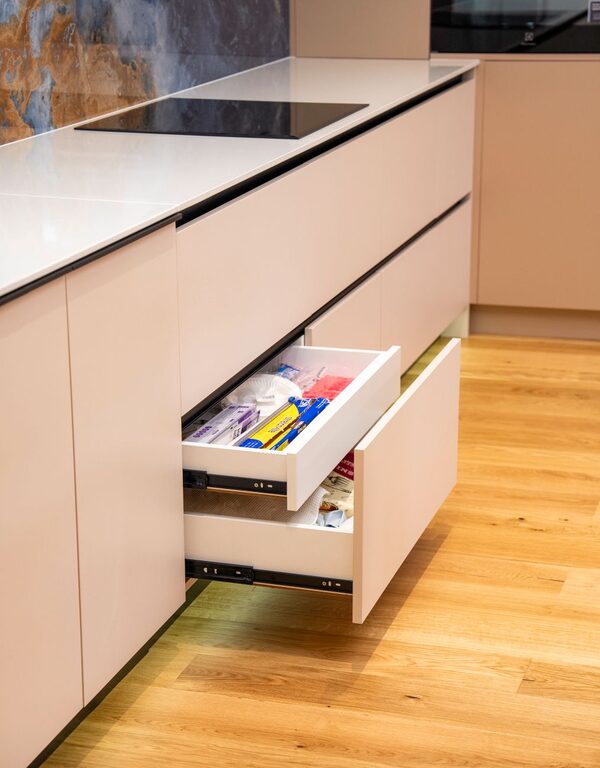
Cluttered counters are sometimes a sign that cabinets and drawers are not being used efficiently. Make room by grouping similar items and removing things you no longer need.
Useful cabinet and drawer improvements include:
– Drawer dividers for utensils
– Shelf risers for plates and bowls
– Pullout bins for pantry supplies
– Turntables for sauces and oils
– Bins for baking or cooking ingredients
– Lid organizers for food storage containers
Store items near where you use them. Keep cooking utensils close to the stove, dishes near the dishwasher, and food preparation tools near the main counter workspace.
Avoid filling cabinets so tightly that putting something away becomes difficult. If storage is hard to use, items are more likely to return to the counter.
Manage Everyday Paper and Small Items
Mail, receipts, keys, chargers, and school papers can quickly take over a kitchen counter. Create a separate system for these items so they do not become part of the kitchen clutter.
A small wall organizer, basket, or drawer can hold papers temporarily. Set a regular time to sort through it and move items to their proper locations.
You can also create a simple rule: mail is opened and sorted as soon as possible, while receipts are photographed or filed and unnecessary papers are recycled. The goal is to prevent the kitchen from becoming a general drop zone.
Keep Appliances and Cords Under Control
Cords can make even a tidy counter look messy. Group appliance cords neatly and avoid letting them hang across the work surface.
Depending on the appliance, you can:
– Use reusable cord ties
– Store removable cords in a drawer
– Place appliances near an outlet
– Use a cord management box
– Keep one appliance per outlet area when possible
Do not overload outlets or use damaged cords. Keep electrical appliances away from wet areas, and unplug items according to the manufacturer’s instructions when needed.
Make Cleaning Easier
A clutter-free counter should also be easy to clean. Leave enough open space to wipe the surface without moving a large number of objects.
Use trays or washable mats under items that may collect crumbs or spills. Clean around appliances regularly, especially near coffee makers, toasters, and cooking equipment.
It can help to wipe the counters as part of an existing routine, such as after washing dishes or before going to bed. A quick daily reset is usually easier than dealing with several days of buildup.
Create a Five-Minute Reset
The most effective organizing system is one you can maintain. At the end of each day, spend five minutes returning items to their proper places.
During this reset:
- Put away appliances and tools that were used during the day.
- Return food and ingredients to cabinets or the pantry.
- Move mail and personal items to their assigned location.
- Wipe the open counter space.
- Check whether anything does not belong in the kitchen.
Encourage everyone in the household to follow the same system. When each item has a clear home, cleaning up becomes faster and less frustrating.
Keep Your System Flexible
Your kitchen does not need to look empty to be organized. The goal is to create enough open space for preparing meals, serving food, and cleaning comfortably.
Review your counter setup every few months. Your routines may change, and an appliance that once earned a permanent spot may no longer be used often. Adjust the system as needed rather than trying to follow rules that no longer fit your household.
By choosing what stays visible, using storage thoughtfully, and practicing a short daily reset, you can keep your kitchen counters clear and functional. Small changes add up, making the room easier to use and more enjoyable every day.
About the Author